10 Traditional Curaçaoan Dishes You Need to Try
You can spend a week in Curaçao eating burgers, pasta and sushi and have a perfectly good vacation.
But you will miss one of the best ways to understand the island.
Curaçaoan food tells the story of the people who shaped this island. African, Caribbean, Latin American and Dutch influences all meet on one table and sometimes in one dish.
If you really want to experience Curaçao beyond the resorts, start with the food.
1. Keshi Yená — Stuffed Cheese
If there is one dish that visitors should try before leaving Curaçao, this is probably it.
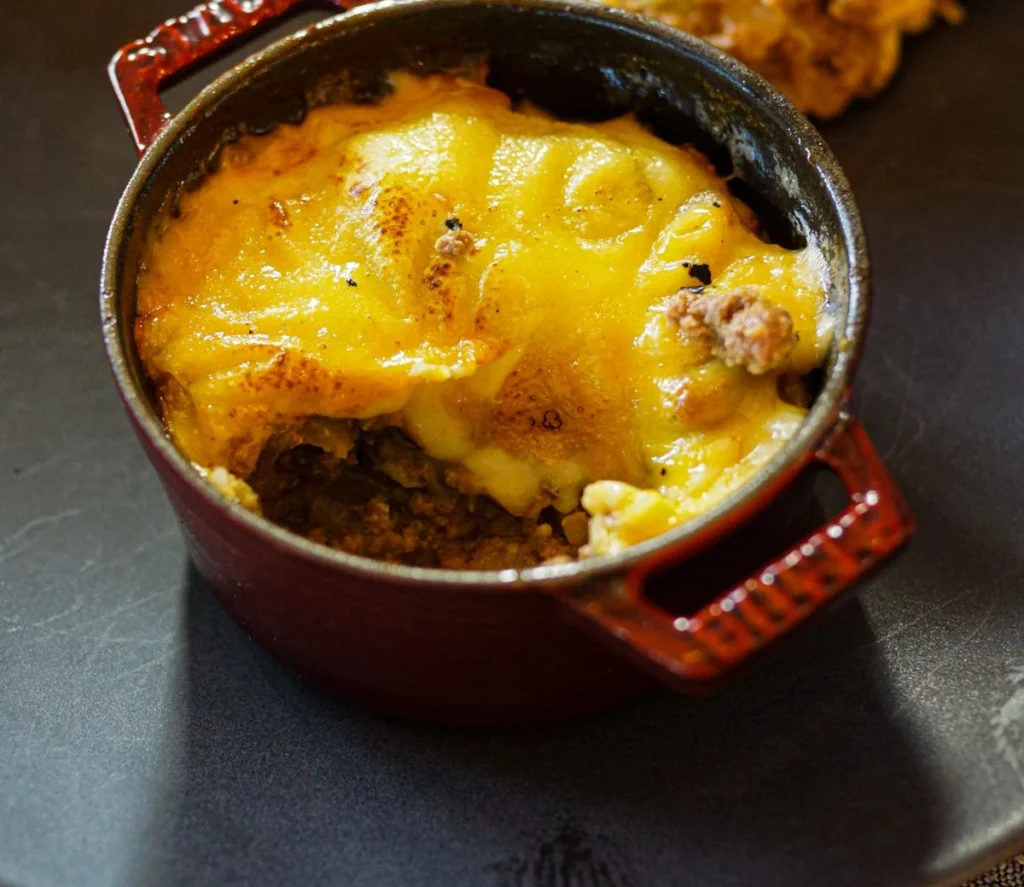
Keshi Yená is a large hollowed-out cheese filled with a seasoned mixture of meat or chicken, vegetables, dried fruit and spices. It might sound unusual at first, but one bite explains why it has become one of the island’s best-known traditional dishes.
The flavor is rich, savory and slightly sweet depending on the recipe. And that’s important to understand: there isn’t one single version of Keshi Yená. Recipes can differ from family to family.
Local tip: Don’t judge Curaçaoan food by one plate of Keshi Yená. Try it again somewhere else. The same dish can taste completely different depending on who made it.
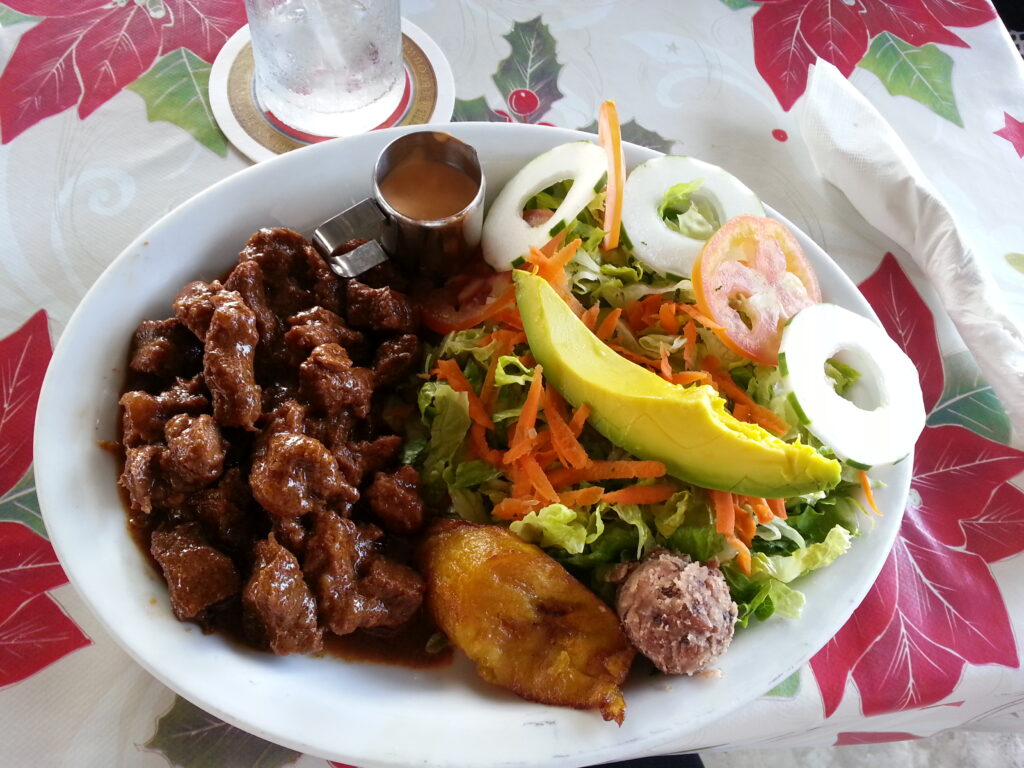
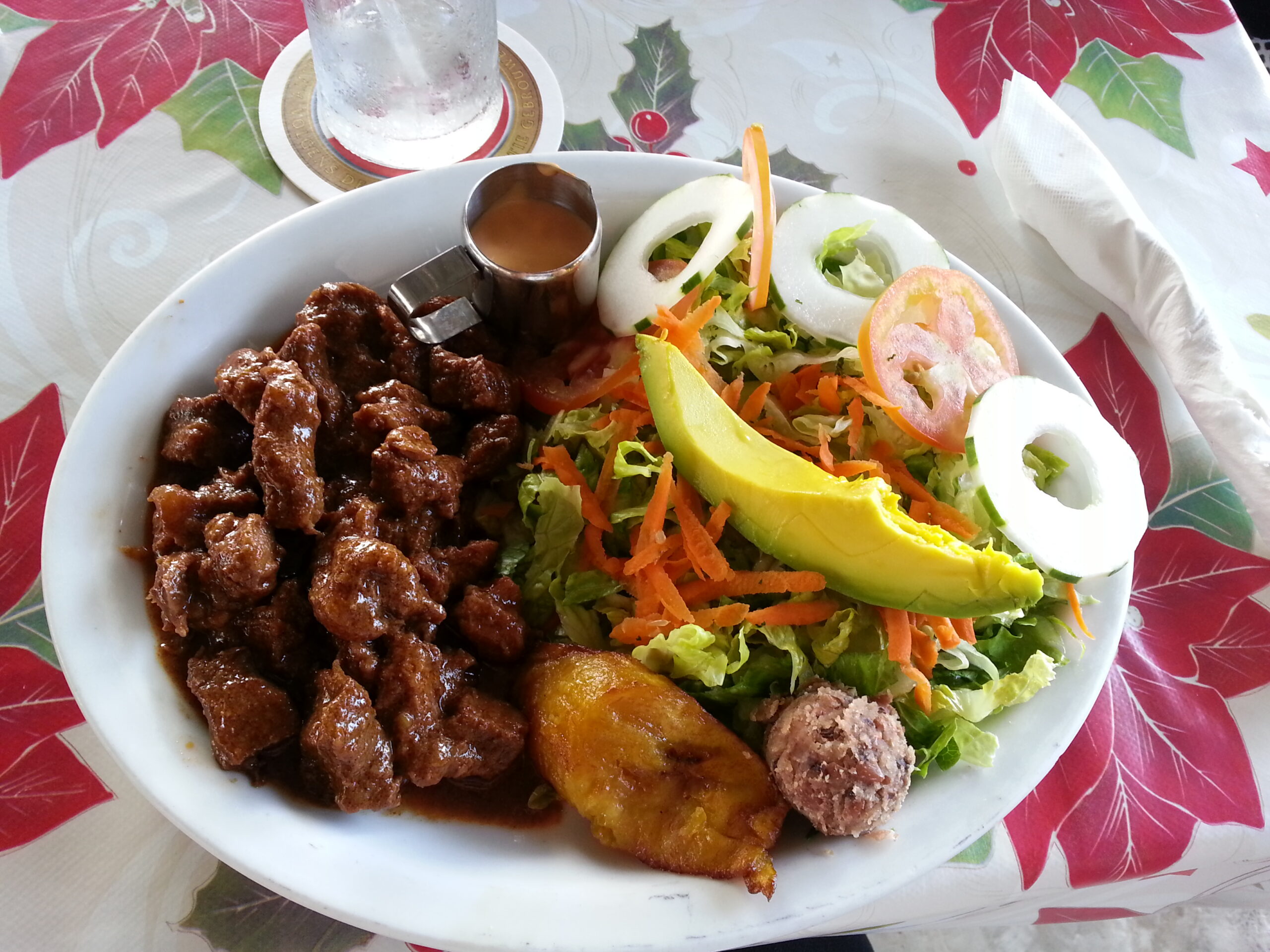
2. Kabritu Stobá — Slow-Cooked Goat Stew
Kabritu Stobá is one of those dishes that tells you immediately that you’re eating something deeply rooted in Caribbean food culture.
The dish is made by slowly cooking goat meat with herbs, spices and vegetables until the meat becomes tender and the flavors have time to develop. It is often served with sides such as funchi, rice or vegetables.
If you’ve never eaten goat before, don’t let that stop you. Kabritu Stobá is rich and flavorful, and when prepared well, the meat becomes tender after hours of slow cooking.
Local tip: This is not fast food. A good Kabritu Stobá takes time to prepare, which is exactly why it is worth trying at a place known for traditional home-style cooking.

3. Pastechi — Curaçao’s Favorite Fried Pastry
You haven’t really experienced a Curaçao morning until you’ve tried a warm pastechi.
Pastechi is a fried pastry filled with ingredients such as cheese, chicken, beef, tuna or salted fish. It is simple, affordable and one of the easiest ways for visitors to try something that is part of everyday life on the island.
You’ll find pastechi at local bakeries, snèks and small food spots across Curaçao. Some people eat them for breakfast, while others grab one as a quick snack during the day.
Local tip: Don’t just order one because you think it’s breakfast. Try different fillings. Everyone seems to have a favorite, and you will probably end up finding yours too.
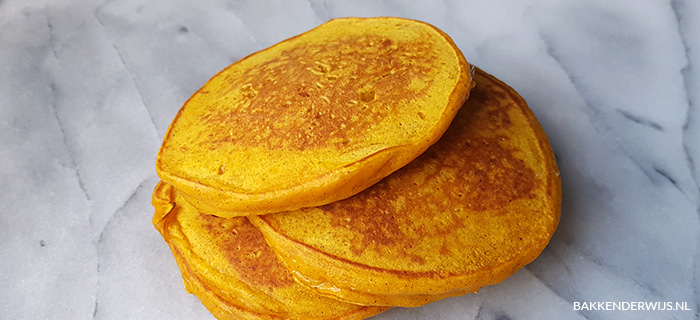
4. Arepa di Pampuna — Pumpkin Pancakes
At first, pumpkin pancakes might sound like something you would find on a trendy brunch menu.
In Curaçao, Arepa di Pampuna is something much more traditional.
These soft pancakes are made with pumpkin and can have a slightly sweet flavor, often complemented by ingredients such as cinnamon, raisins or other spices depending on the recipe.
They are simple, comforting and completely different from the fluffy American pancakes many visitors expect.
Local tip: This is one of those dishes that shows how creative traditional island cooking can be. Don’t expect it to taste like a dessert pancake. Try it with an open mind.
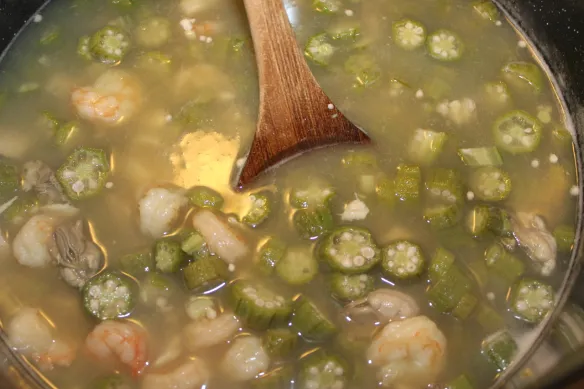
5. Guiambo — Okra Soup
This one is for visitors who want to go beyond the safest choices on the menu.
Guiambo is a traditional Curaçaoan soup made with okra and often prepared with meat or seafood. It is rich, filling and has a texture that some first-time visitors may need a moment to get used to.
Okra naturally creates a thicker consistency when cooked, so the texture is part of the experience.
And honestly, this is one of those dishes you will probably either love immediately or need a second try to appreciate.
Local tip: Don’t judge Guiambo by its appearance. Traditional food isn’t always about what looks the most Instagram-worthy. Sometimes the dishes that look the simplest have the deepest connection to local food culture.
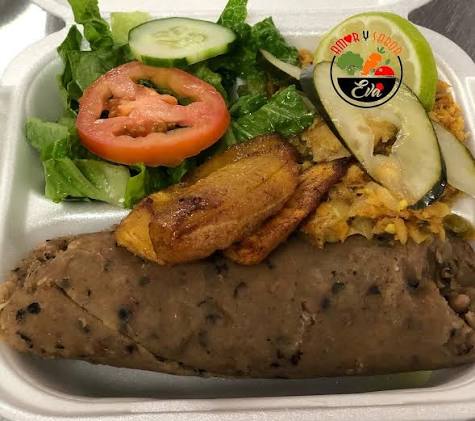
6. Tutu — Cornmeal and Beans
Tutu might not look like the most exciting thing on the plate, but it is an important part of traditional Curaçaoan food.
It is made from cornmeal and beans and is usually served as a side dish alongside meat or fish. The flavor is comforting and savory, and it works especially well with dishes that have rich sauces or stews.
Think of it as part of the foundation of the meal rather than the main attraction.
Local tip: Don’t eat Tutu on its own and decide that’s the whole experience. Try it together with the meat, fish or sauce it is served with. That’s where it really makes sense.
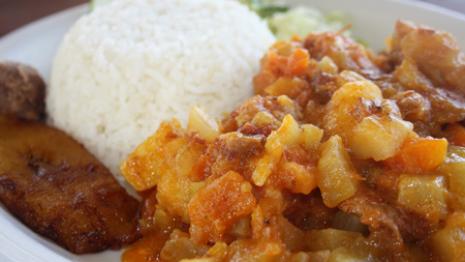
7. Papaya Stobá — Savory Papaya Stew
Most visitors know papaya as a sweet tropical fruit eaten for breakfast.
Papaya Stobá might completely change the way you think about it.
In this traditional dish, green papaya is used as part of a savory stew, often cooked with meat and spices. The papaya absorbs the flavors of the dish while adding its own unique texture.
It’s one of the best examples of how traditional Curaçaoan cooking uses ingredients in ways visitors may not expect.
Local tip: If you see Papaya Stobá on a menu, don’t skip it because you think you’ve already had papaya before. This is a completely different experience.
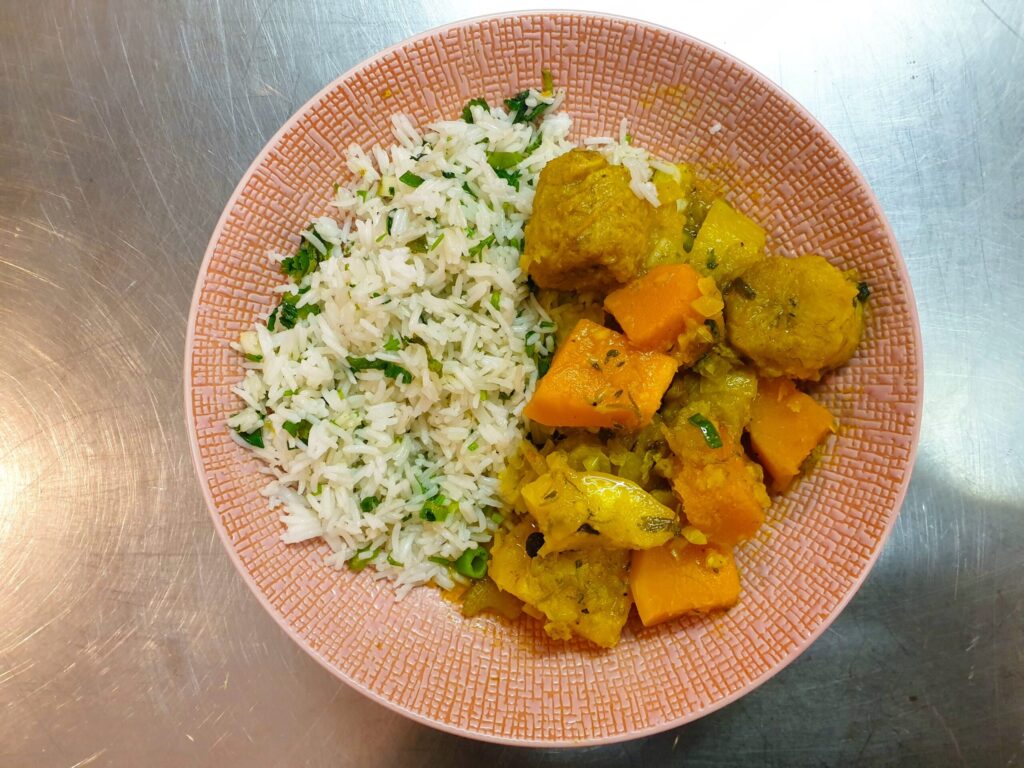
8. Banana Stoba — Plantain Soup
Don’t let the name confuse you.
In Curaçao, banana can refer to plantain, which is different from the sweet banana you might eat as a snack.
Sòpi di Banana is a hearty traditional soup made with plantain and other ingredients that can vary depending on the recipe. The result is comforting, filling and perfect for anyone who wants to try something beyond the usual Caribbean restaurant menu.
Like many traditional soups, there is no single recipe that every family follows.
Local tip: Ask someone serving it how they prepare theirs. Traditional recipes often come with family variations, and that is part of what makes local food interesting.
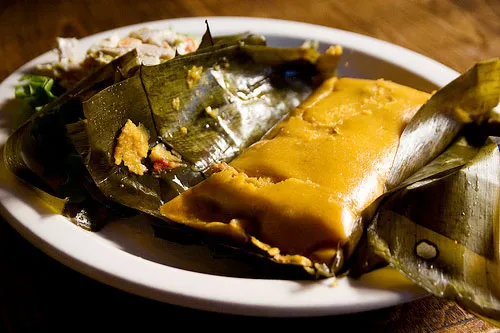
9. Ayaka — A Curaçao Christmas Tradition
If you happen to visit Curaçao during the Christmas season, keep an eye out for Ayaka.
This traditional dish is made from seasoned cornmeal dough filled with ingredients such as meat, chicken, olives, raisins and spices. Everything is wrapped in leaves and cooked, creating a dish that is packed with different flavors.
Ayaka is more than just food. It is connected to family, holidays and tradition.
That means you probably won’t find it as easily throughout the year as some of the other dishes on this list.
Local tip: If someone offers you homemade Ayaka during the holiday season, say yes. Food prepared for family celebrations is often where you get the most authentic experience.

10. Kos di Boka Dushi — Curaçao’s Traditional Sweet Treats
After all the stews, soups and savory dishes, it makes sense to finish with something sweet.
Kos di Boka Dushi refers to Curaçao’s collection of traditional sweets and treats. Depending on where you go, you may find different homemade candies and desserts made with ingredients such as coconut, peanuts, sugar and local fruit.
These aren’t always the kind of desserts you’ll find on a polished restaurant menu. Some are things you discover at local markets, bakeries or small shops.
Local tip: Don’t leave Curaçao without trying at least one local sweet. Ask someone at a market or local shop what they recommend and be willing to try something you can’t immediately pronounce.
Where Can You Try Traditional Curaçaoan Food?
Traditional Curaçaoan food is not always found in Curaçao’s most polished restaurants. Some of the best places to experience it are neighborhood restaurants, roadside snèks and local food markets.